How does an Electric Bike work?

How Electric Bikes Work

A simple breakdown of the key components and what they actually do when you’re riding.

Every electric bike is built around three core parts: the display and controls, the battery, and the motor.

Once you understand how these work together, it becomes much easier to compare bikes and choose the right setup for how you ride.

The graphic alongside shows where these key components are usually found on the bike.

Electric bike component guide showing display, battery and motor positions
On this page
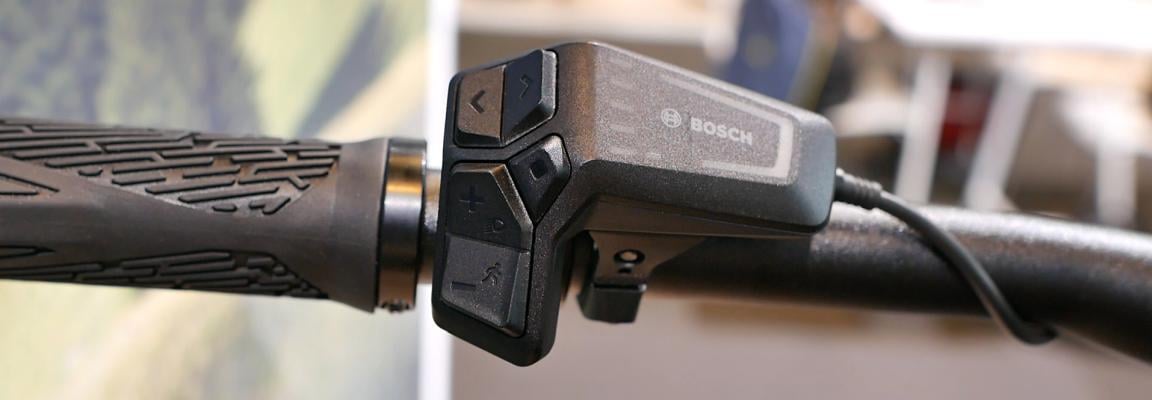
Bosch electric bike handlebar control unit and display

1. Remote Control & Display

The display gives you the key information you need while riding. Depending on the bike, this may be a dedicated screen or an app on your phone.

It can show things like your assistance mode, speed, estimated range, battery level, trip distance, odometer and clock. The exact features depend on the system fitted to the bike.

If your bike has a remote control, it allows you to change assistance levels and scroll through display information at the touch of a button while keeping your hands in place on the bars.

2. Battery

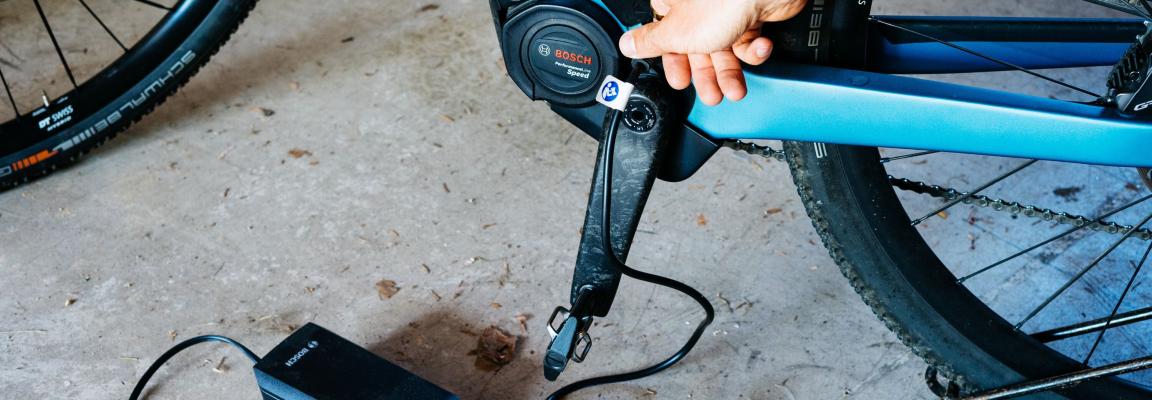
The battery stores the energy that powers the motor. In simple terms, it works much like your phone battery. Plug it in, let it charge, then disconnect it when it is ready.

Most batteries can be charged on or off the bike, depending on the model. This can be useful if you store the bike in a garage or shed but want to charge the battery indoors.

The battery is really just a fuel tank, so in general, the larger the battery capacity, the longer the potential range. Real-world range will still vary depending on terrain, rider weight, temperature and assistance mode.

Electric bike battery charger
A useful rule of thumb

A bigger battery does not always mean a better bike. It means more stored energy, but the right setup depends on how far you ride and how much support you want from the motor.

Electric bike motor system

3. Motor

The motor provides assistance while you pedal. Sensors monitor things like your pedalling speed, pedalling force and the assistance mode you have selected, then calculate how much support to give you.

In the UK, assistance continues up to 15.5mph. Once you go beyond that speed, the motor stops assisting until your speed drops back down.

One of the key figures you will see when comparing motors is torque, measured in Nm. In general, higher torque gives stronger support on hills and when carrying extra weight.

Want help choosing the right e-bike setup?

If you are unsure which motor, battery or display setup suits you best, book a test ride or speak to the team for straightforward advice.

Book a test ride Contact the team
Whats App